Photo Eyes and Safety Edges
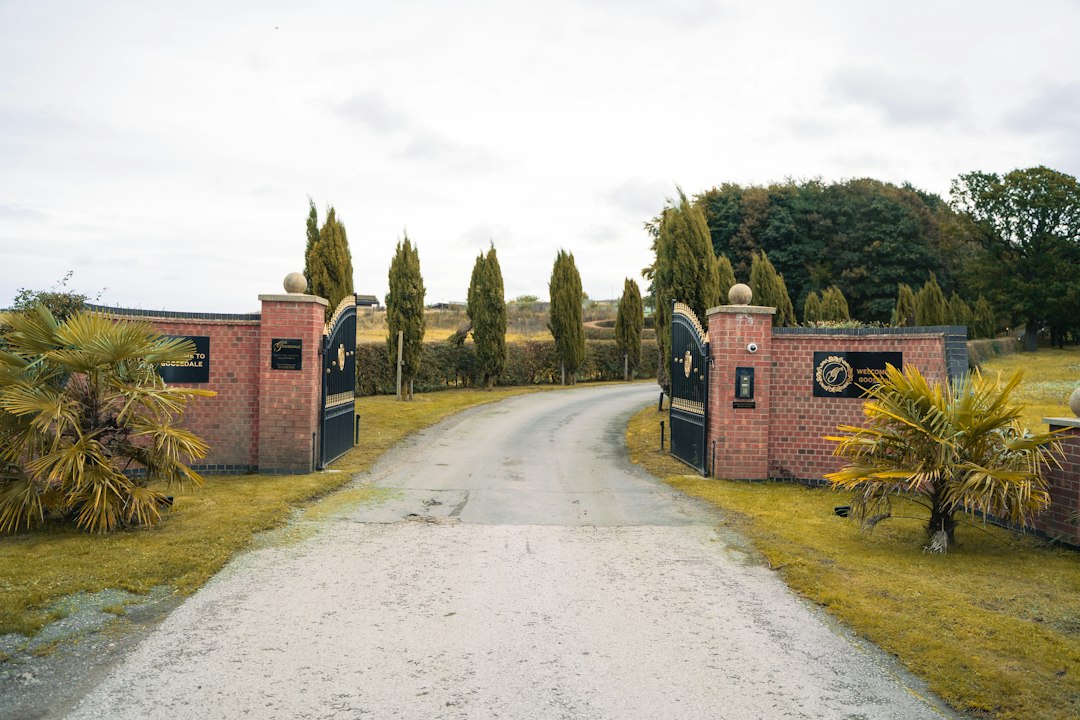
People expect an automatic gate to stop on its own when a car is in the way, and often it only does so because a sensor was installed and aligned to make it stop, a setup the breakdown sitting on carlsbad driveway gates portland chinese garden lists piece by piece. On a Carlsbad, CA driveway, the gate operator is strong enough to push a car or pin a person, so photo eyes and safety edges stand between it and an accident.
Photo eyes
A photo eye sends an infrared beam across the gate path to a receiver or reflector. If something breaks the beam while the gate is closing, the operator stops and reverses. Eyes are placed at the height of a car bumper and sometimes lower for children and pets.
Safety edges
A safety edge is a rubber strip on the leading edge of the gate. When it is pressed, it signals the operator to stop and reverse. Edges catch things a beam might miss, like a person standing right against the gate.
Entrapment zones
The danger areas are where a moving gate meets a post, a wall or the ground. On a swing gate the hinge side and the far end of the arc both trap. On a cantilever slide gate the gap where the gate rolls past the post is the main risk. Sensors and guards are placed to cover each zone.
Standards
Gate operators sold in the United States follow UL 325, which requires entrapment protection on automatic gates. Installers fit the sensors the standard calls for on each gate type.
Keeping them working
Salt air and the marine layer that rolls over Interstate 5 leave a film on lenses. Sprinklers and gardeners knock eyes out of line. Cleaning lenses and testing the reverse with an object in the path are part of regular upkeep.